
What Is Shadow AI, and What Should You Do About It?

What shadow AI actually looks like
Shadow AI rarely looks like anything dramatic. An account manager pastes a client email into a chatbot to draft a reply. A project lead runs a personal transcription app during a sensitive meeting because the company's own system doesn't have one. A new hire uses AI to write a cover letter, then keeps using it for daily work because nobody told them not to.
None of this comes from bad judgment. It comes from employees solving a real problem (saving time, getting unstuck, producing something faster) with whatever tool is available, because no one gave them a better option.
Why it happens even where a policy exists
Gallup's Q3 2025 workforce survey found that individual contributors were far more likely than leaders to say they didn't know whether their own company had adopted AI — 26% of individual contributors, compared to 16% of managers and just 7% of leaders.
Information about official AI adoption isn't reaching the people actually doing the work, so they fill that space with their own tools.
What we've heard directly
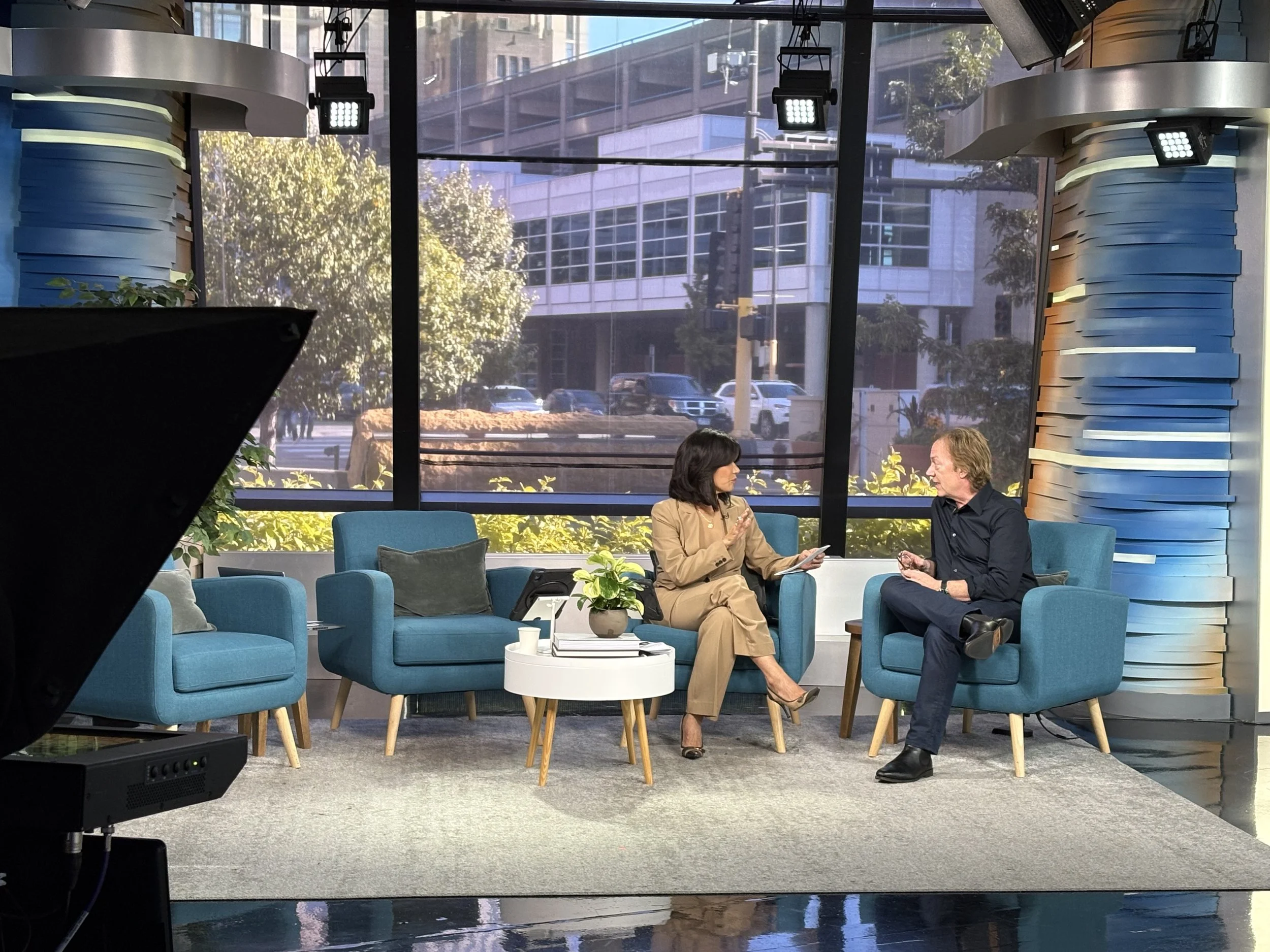
VILAS co-founder James Holmberg put it plainly in a recent Star Tribune feature on the distance between AI spending and AI training:
"Shadow AI is real. Employees are using tools on their own, with sensitive data, because the official training didn't meet their actual needs."
He compared the moment to handing someone a book of matches: "Matches aren't dangerous — they're essential. But you don't hand someone a book of matches and hope they figure it out."
Why it's a real risk, not just a workaround
Two things go wrong at once. Information moves into tools nobody vetted — client details, internal numbers, anything typed into a chatbot without knowing what happens to it afterward. And work leaves the building without a second look, because no one else on the team knows an AI tool touched it in the first place.
Neither requires bad intent. It just means the organization has no visibility into where its own information is going, or what's being reviewed before it reaches a client, a board, or a file.
How VILAS helps stem it
A memo alone doesn't fix shadow AI. What works is giving a full team the same standard at the same time, which is what AI Awareness Training is built to do. It's a live session for your whole staff, not a select few, covering what's safe to put into an AI tool, what isn't, and how AI-assisted work gets reviewed before it goes out under your company's name. Every participant completes a short assessment, and the organization keeps a documented record that its people were trained — giving leadership real visibility into where the organization actually stands, instead of a guess.
For teams that want this built into how they work day to day rather than a single session, VILAS also offers ongoing training and enablement programs.
If you're trying to figure out how much shadow AI use is already happening at your company, we're glad to be part of that conversation.
AI Awareness and Compliance Training
A one-hour, live, virtual session for your team, with a compliance record for leadership.
VILAS in the News
FAQs
FAQs
Q: What is shadow AI?
Shadow AI is employees using AI tools at work without their company's knowledge, approval, or oversight — often through personal accounts, on devices or platforms the company never vetted. It happens most often when employees have a real work problem to solve and no approved tool or standard to solve it with.
Q: Is shadow AI actually common, or is this overstated?
It's common. Gallup's Q3 2025 workforce survey found that individual contributors were far more likely than leaders to say they didn't know whether their own company had formally adopted AI — 26% of individual contributors, compared to 7% of leaders. That distance between what leadership assumes is happening and what's actually happening is where shadow AI grows.
Q: Why is shadow AI a risk, not just an inconvenience?
Two things happen without anyone deciding they should: company or client information moves into tools nobody vetted, and AI-assisted work goes out without the review a human draft would normally get. Leadership also loses visibility into where its own information is going.
Q: How does VILAS help reduce shadow AI?
Through AI Awareness Training — a live session for a full team that sets one shared standard for AI use, gives every employee the reasoning behind it, and ends with a documented record that the team was trained. VILAS also offers ongoing enablement programs for teams that want the standard built into daily work rather than a single session.
Q: Is this different from just writing an AI use policy?
Yes. A policy states the rule. Training teaches people to apply it and gives leadership visibility into whether it's actually working — which is the part a written policy alone can't do.

Every VILAS engagement begins with the AI Blueprint.
Let’s start with a 20-minute conversation.