
Annual Awareness and Compliance Training
A live, single-session program that gives any organization's staff one shared standard for using AI responsibly — and a documented record showing they were trained.
Flat organization-wide pricing. No per-seat fees.
What changes after the training
Your staff knows the rules
Employees understand how AI can be used responsibility and what safeguards to keep in place.
Managers have one answer
Your organization replaces individual interpretations with one shared standard across departments, roles and levels of experience.
Leadership has the record
Every participant completes a knowledge assessment. Leadership receives documentation showing who completed the training.
Training your staff on how to use AI responsibly.
― The importance of Annual Awareness and Compliance Training
This compliance training is the same mechanism your company already uses for harassment prevention, data security, or workplace safety — a recurring session that keeps a shared standard current and puts a paper trail behind it.
AI is simply the newest subject that needs its own version of training you already know how to run.

"AI awareness training is critical because the greatest risk (and the greatest opportunity) doesn’t begin with the technology itself, it begins with how people understand and use it. Organizations that educate their teams early create a shared foundation for responsible experimentation, better decision-making, and meaningful innovation instead of unmanaged risk and fragmented adoption."
― Dustin Saunders
Practice Lead - Automation and Data Intelligence
Atomic Data

What the training covers
― Live Instructors | Virtual Sessions for Flexibility
AI Awareness Training is delivered live to your full team.
The session moves through five parts:
1. The landscape.
What generative AI actually is, the vocabulary your team will hear around AI, and how the major platforms — ChatGPT, Gemini, Copilot, Claude — actually work.
2. The risks.
What goes wrong without a policy, including compromised data and shadow use.
3. The standard.
What a responsible AI use policy actually covers, so your team readily understands company policy.
4. Practical guidance.
What AI is genuinely good at, the importance of review and setting shared team standards.
5. Assessment.
A short knowledge-check quiz and a completion record for each participant, so your organization has documentation showing its people were trained.
An annual training cadence is recommended for your whole team.
Where this starts
The training assumes zero prior AI experience. Your most skeptical veteran and your most enthusiastic new hire leave with the same standard, and your organization gets one answer to a question every employee is currently answering alone.
This applies whether your organization has an AI policy in place or not. We hear the same handful of things from almost every leader we talk to: we don't know where to start. I don't know what I don't know. This all feels overwhelming. Some tell us they've already given employees access to AI tools and consider it handled — access isn't the same as a standard, and without one, each employee is quietly deciding for themselves what's safe to do with it.
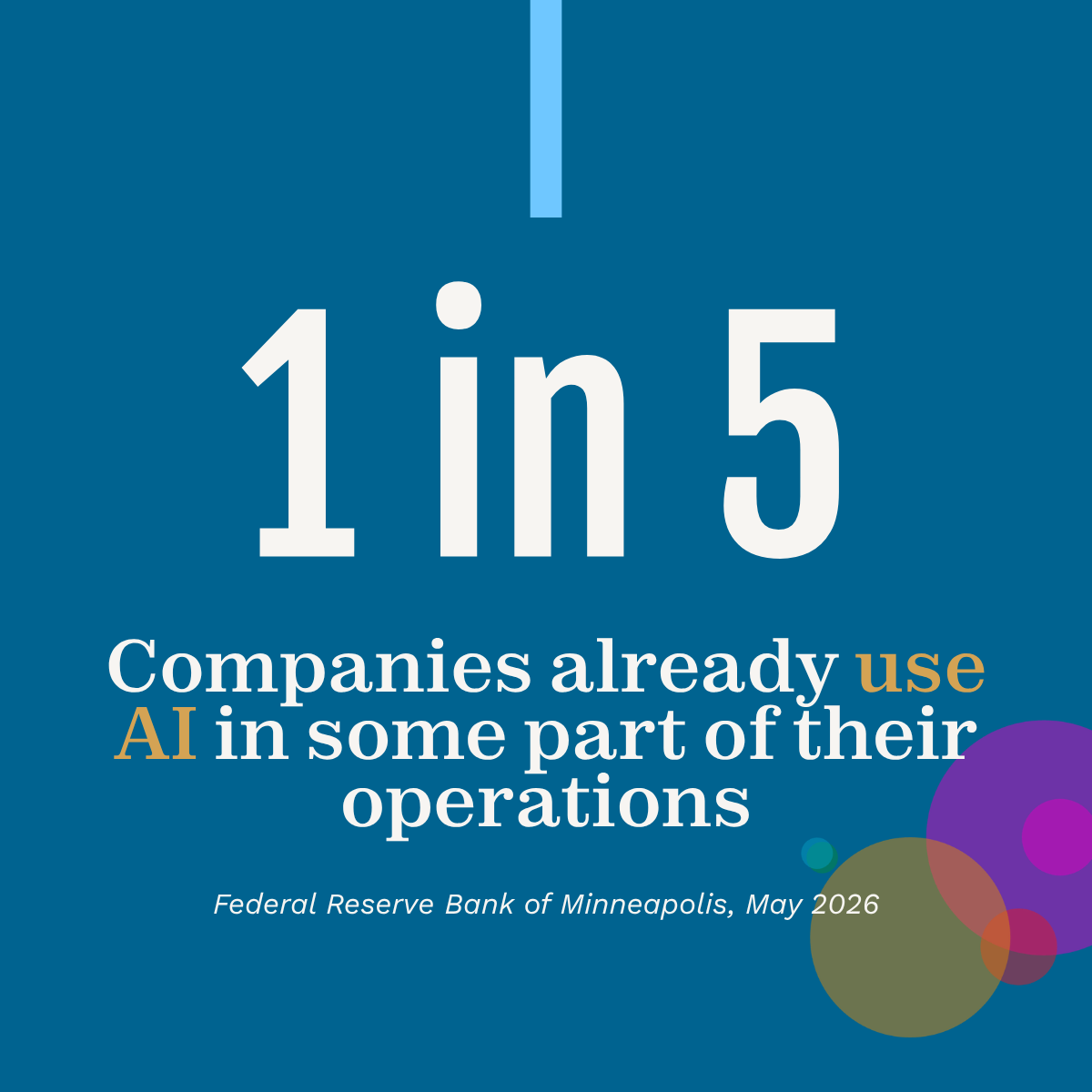
Employees pick up AI on their own and bring it to work, often on personal accounts, without anyone reviewing what comes back before it goes out. A policy on paper doesn’t stop that. Only a trained team does.
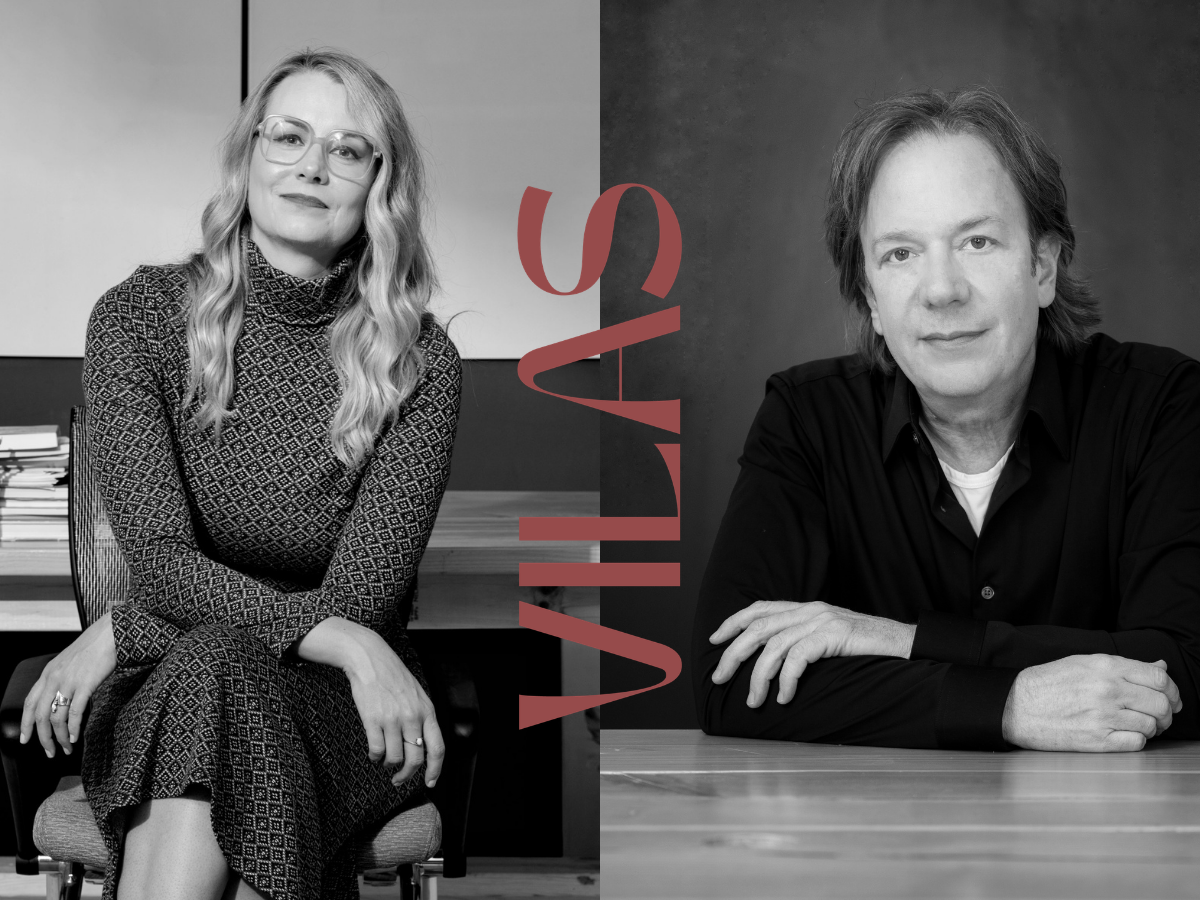
Meet Sarah & James
Led by Sarah Anderson and James Holmberg, founders of VILAS, who've spent the last several years teaching organizations how to build judgment around AI.
Sarah and James have been featured on Minnesota Public Radio, The Star Tribune, Twin Cities Business, Wisconsin Alumni Association, Minneapolis College of Art and Design Alumni Notes, and CBS News Minnesota. They are guest lecturers at MCAD and advisors to other higher education institutions. Clients include leading non-profits, foundations, government agencies and private sector clients. They lead monthly executive sessions at the Minneapolis Club and are featured speakers on AI in taste, judgment and responsible use.
Frequently Asked Questions
Q: What is AI Awareness Training?
AI Awareness Training is a live, single-session program that teaches an organization's full staff how to use generative AI tools responsibly. It covers what AI is, where it creates risk, what a responsible use policy should include, and how to review AI-generated work before it goes out under the company's name. The session ends with a graded assessment and a documented completion record.
Q: Is this only for regulated industries, like RIAs, law firms, or insurance agencies?
No. The training applies to any organization where employees use AI tools, regardless of industry. Firms in regulated industries do get an added benefit: the completion record can serve as documentation for compliance reviews and audits.
Q: How long is the session, and is it delivered in person or virtually?
The session is one-hour and delivered by live instructors virtually.
Q: What does an organization walk away with?
A documented completion record for every participant, a shared team-wide standard for what may and may not go into an AI tool, and practical guidance for reviewing AI-assisted work before it reach a client, a board, or a customer..
Q: Do we need an existing AI policy before this training?
No. The training works the same whether your organization has a written policy already or hasn't started one. For a team without a policy, it gives them a working standard immediately. For a team with one, it's the check that everyone actually understands it and is following it — which matters, since a policy on paper doesn't stop an employee from using AI on their own if the standard never made it into daily practice.
Q: How is this different from a general AI tools tutorial?
General tutorials teach people how to use a tool. AI Awareness Training teaches judgment and shared standards — where AI helps, where it creates exposure, and how output gets reviewed before it matters. It is not platform training and does not require any specific AI subscription to attend.
Q: How many employees can attend?
The program is designed for organized-wide delivery. Pricing is based on total organization size rather than individuali seats.
How to start
We start with a 20-minute phone call to walk through the process. Simply schedule a phone call with us below.