
Our Perspective

What an organization knows is larger than what it has recorded.
Much of what makes an organization work exists beyond its documents and systems.
It lives in the judgment someone has developed after years of doing the same work, in the adjustments they make because experience has taught them when the usual process isn't enough, or in an idea someone has carried for years without yet knowing how to make it practical.
Some of this knowledge is documented. Much of it is not.
AI is extraordinarily capable once something has been given form. It can search, compare, organize, and work with amounts of information that would once have taken considerable time to examine. But before any of that becomes useful, someone still has to recognize what matters.
Someone has to notice the exception, understand the significance of a detail, or ask the question that changes how a problem is understood.
This is where our work begins.
The work as it actually happens.
When we spend time inside an organization, we're interested in how the work happens beyond its formal descriptions. We listen to the people responsible for it and pay attention to the places where experience fills the distance between a process as it was designed and the circumstances people encounter every day.
A workaround may reveal something the original system never anticipated. A question that appears technical may turn out to involve responsibility or the way people make decisions.
And sometimes an ambition that initially seems too broad begins to take shape once the people closest to the work have an opportunity to explain what they know.
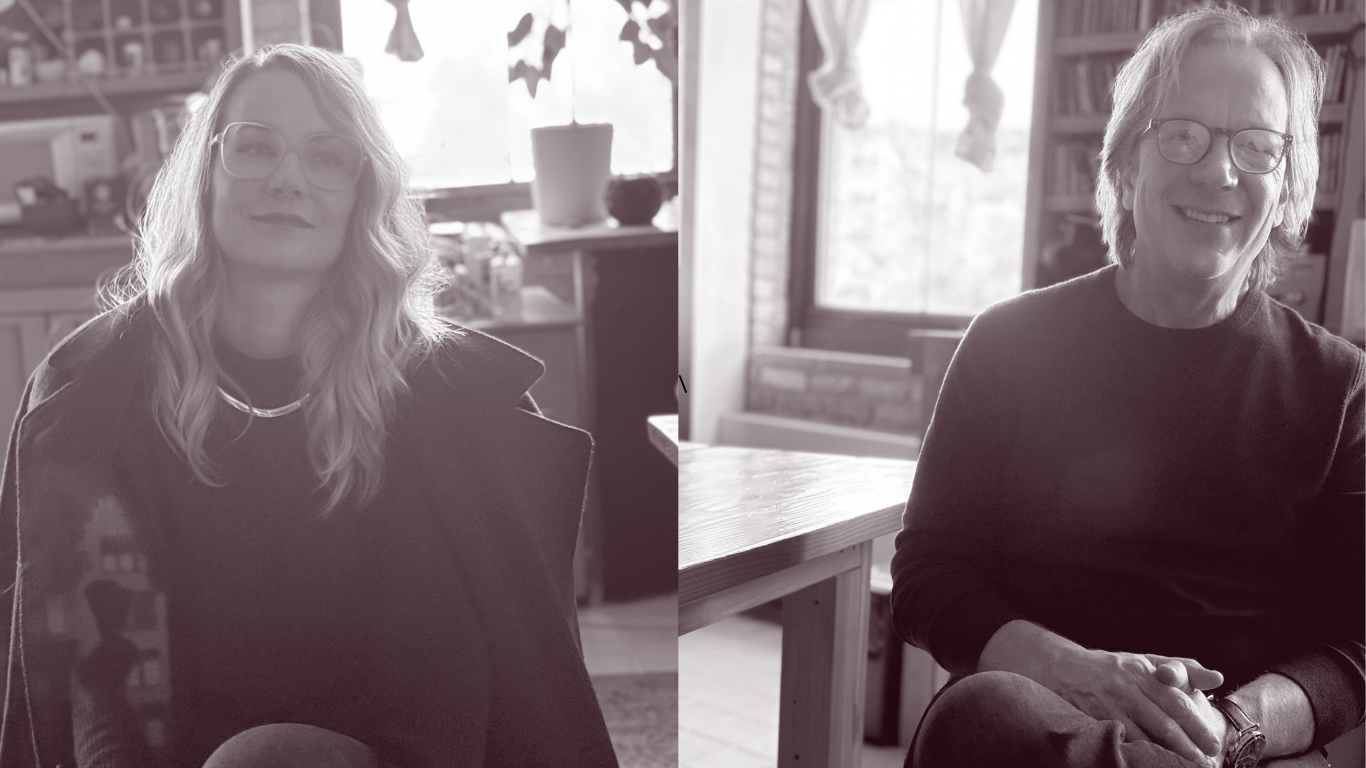
How we came to think this way.
Our perspective on technology began long before generative AI entered the conversation.
When we began working together in 2017, much of our work involved developing software and digital experiences. Some of our earliest projects explored how technology might preserve family memories and personal histories.
Those projects raised questions that extended beyond the technical work. What deserves to be remembered? How does someone experience what has been built? What might be lost when something meaningful is reduced to information in a system?
Our backgrounds in business, software, design, and the liberal arts shaped how we approached those questions. Working alongside developers and other specialists also taught us what happens when an idea moves from possibility into implementation.
That experience continues to influence how we work today.
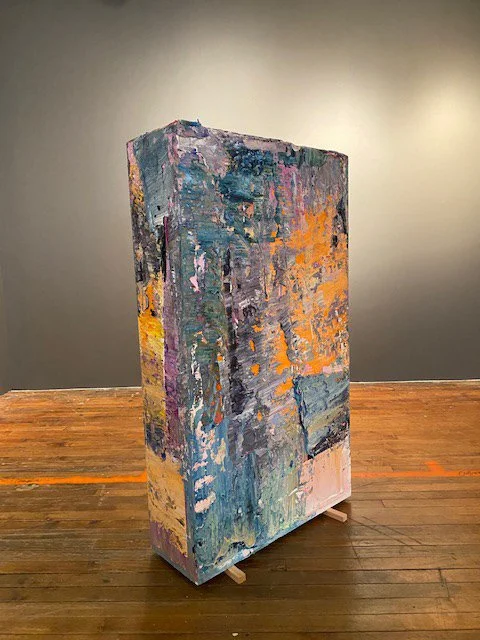
Photo from, Absence, an art exhibition and accompanying application developed by James and Sarah.
The instrument matters. So does the person using it.
Generative AI interests us because of its flexibility. It can help people explore ideas, work with information, and create things that previously required specialized knowledge or resources.
We think of it as an instrument, something whose possibilities become more apparent through practice.
Having access to the technology is only the beginning. What someone can accomplish with it depends on the knowledge, imagination, and judgment they bring to the work, along with the skills they develop through using it.
Experience shapes what we can do with these tools, but learning also happens through working with them. AI offers new opportunities to explore and develop our abilities, whether we're drawing on decades of professional knowledge or just beginning our careers.
What matters is remaining engaged in the process, asking questions, examining results, and developing our own understanding along the way.